
Exploring Pilates: Your Q&A Guide
Pilates is a transformative exercise method that has captured the attention of fitness enthusiasts and newcomers alike. Whether you're curious about its origins, the equipment involved, or the incredible benefits it offers, this Q&A guide will provide you with valuable insights into the world of Pilates.
Q1: What is Pilates and how does it differ from other workout methods?
Pilates is a low-impact exercise system that emphasizes controlled movements and the engagement of your core muscles. Unlike traditional workouts, Pilates focuses on building strength, flexibility, and endurance while also promoting mind-body awareness.
Q2: Who Developed the Pilates Method?
Pilates was developed by Joseph Pilates, a German physical trainer, in the early 20th century. He created this method as a way to rehabilitate injured soldiers during World War I. Over time, his techniques evolved to incorporate a blend of yoga, gymnastics, and martial arts principles.
Q3: What are the main principles of Pilates?
Pilates is guided by six key principles: concentration, control, centering, precision, breath, and flow. These principles work together to create a holistic approach to exercise that engages both the body and the mind.
Q4: What kind of equipment is used in Pilates, including the mat?
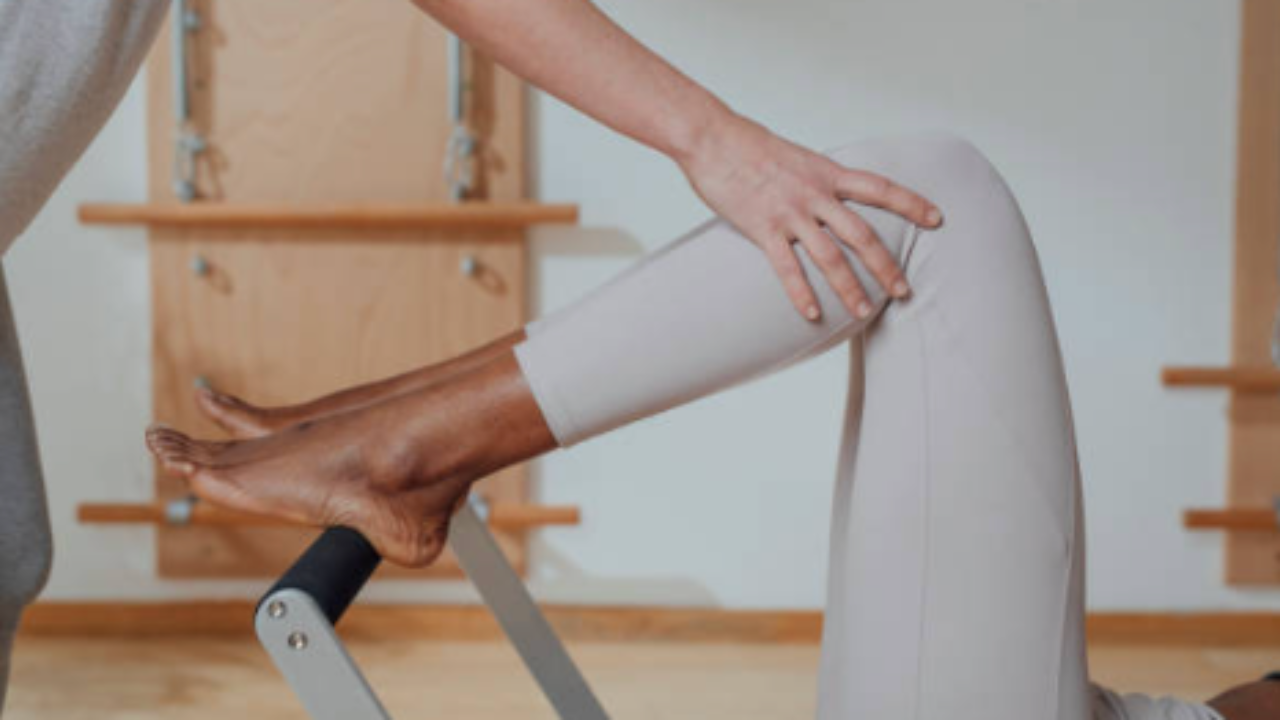
Pilates offers a diverse range of equipment to enhance your practice, catering to various needs and preferences. These include the reformer, Cadillac, ladder barrel, Wunda chair, and the mat. Additionally, props, such as The Magic Circle, Foot Corrector, Spine Corrector, barrels, and small stability props, can be incorporated into Pilates routines. While the equipment adds depth to the practice, the Pilates mat exercises remain a cornerstone, utilizing your body weight for resistance and providing a solid foundation for your journey.
Q5: What results can I expect from practicing Pilates?
Practicing Pilates regularly can lead to a wide range of benefits, including improved core strength, increased flexibility, better posture, enhanced muscle tone, and reduced risk of injury. Many individuals also experience increased body awareness and overall well-being.
Q6: Is Pilates suitable for all fitness levels?
Absolutely! Pilates is adaptable and can be tailored to accommodate different fitness levels and abilities. It's commonly practiced by athletes, seniors, pregnant women, and individuals recovering from injuries.
Q7: Can Pilates help with weight loss?
While Pilates is not primarily a cardiovascular exercise, it can contribute to weight loss when combined with a balanced diet and aerobic activities. It helps build lean muscle, boost metabolism, and improve overall body composition.
Q8: How often should I practice Pilates to see results?
Incorporating Pilates into your weekly routine, whether 1, 2, or 3 times a week, can yield results based on factors such as fitness level, age, and activity level. The goal is to integrate Pilates as a part of your lifestyle, ensuring that it complements your individual wellness journey.
Remember, Pilates is a versatile exercise method that focuses on building a strong foundation of core strength, flexibility, and mind-body connection. Whether you're a fitness enthusiast or a beginner, Pilates offers a holistic approach to wellness that can enrich your physical and mental well-being.