
The Way My Kitchen Works
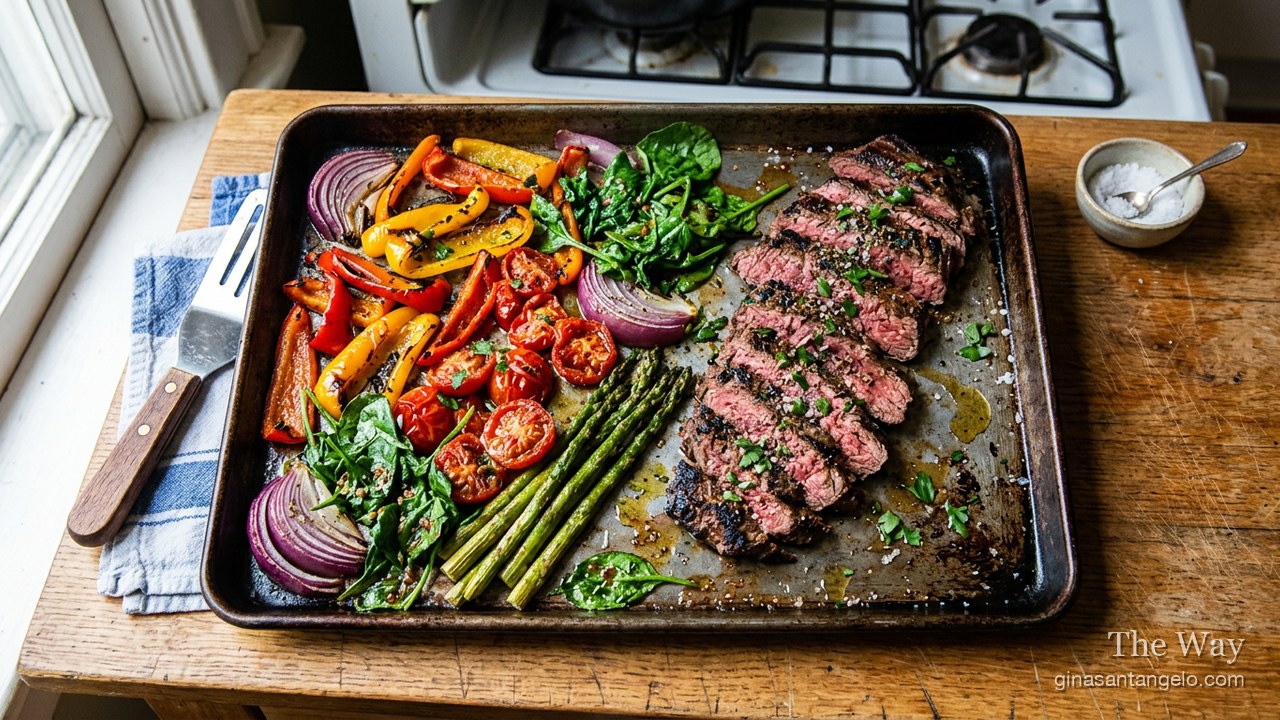
I don't spend one day cooking every meal for the week. Instead, I prepare the things that make everyday cooking easier, then I cook the foods that are best enjoyed fresh — that balance keeps eating well practical without making it feel repetitive.
Earlier in the week
I usually keep a few essentials ready, such as:
- Washed greens
- Roasted vegetables
- Cooked grains or legumes
- Hard-boiled eggs
- A homemade dressing or vinaigrette
- Hummus or another simple spread
- Cut vegetables
- Fruit that's washed and ready to enjoy
These become the foundation for quick lunches, simple bowls, easy side dishes, and snacks throughout the week.
During the week
When it's time for dinner, I usually cook the main protein fresh — salmon, chicken, shrimp, turkey, steak, or another favorite. The prepared ingredients come together around that fresh meal, making dinner feel homemade without starting from scratch every night.
The goal
The goal isn't to prepare every meal ahead of time. It's to make fresh cooking feel easier. Some days you'll cook. Some days you'll simply assemble. Most days you'll do a little of both. That's the rhythm that has worked in my own kitchen for years.
How much to have ready
There isn't one right amount to prepare each week. Some weeks you'll cook more, some weeks less. The goal isn't to prepare every meal in advance — it's simply to keep enough of the right things on hand so eating well feels easier.
For one person
Keep a few essentials ready, such as:
- One cooked grain or legume
- One ready-to-use protein for lunches or quick meals, such as grilled chicken, hard-boiled eggs, tuna, or chickpeas
- One tray of roasted vegetables
- One container of washed greens
- One dressing or vinaigrette
- One dip or spread
Then cook fresh proteins for dinner whenever you feel like them.
For two people
Increase the prepared basics slightly — enough grains, vegetables, greens, and ready-to-use protein for lunches and quick meals, while planning to cook fresh dinners several nights during the week.
For families
Prepare the basics in larger quantities. Keep vegetables, grains, and a few ready-to-use ingredients on hand to make lunches and side dishes easy, then build fresh dinners around them — and let everyone assemble bowls, plates, or boards in their own way.
Why this matters
One of the biggest misconceptions about healthy eating is that every meal has to be prepared in advance. That isn't the goal. The goal is simply to remove some of the work so fresh cooking feels easier, not replaced. Having a few thoughtfully prepared ingredients waiting allows you to cook dinner with less effort while still enjoying meals that feel fresh, satisfying, and nourishing.
Prepare what saves time. Cook what deserves to be fresh. That one idea is the whole difference between this and ordinary ‘Sunday meal prep.’
And when the mind needs somewhere to land, that's what I built SOVA for — a quiet companion for the moments in between.