
The Hidden Toxins Lurking in Your Kitchen
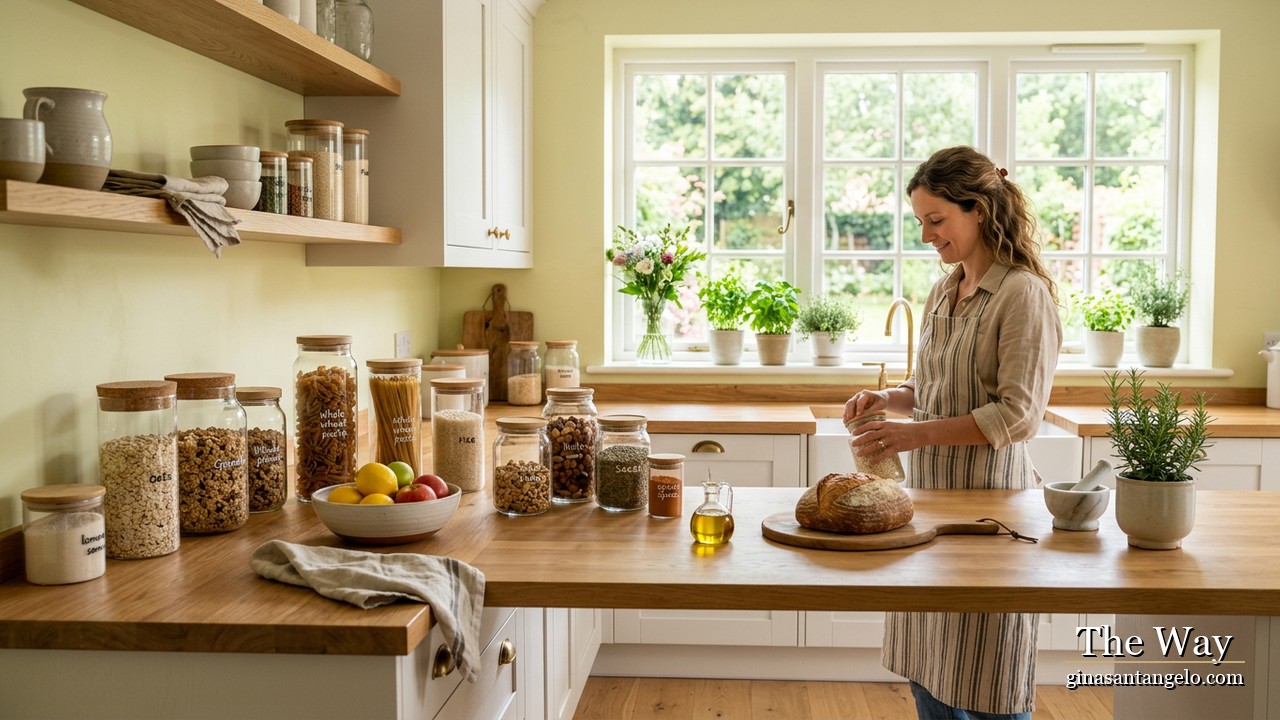
The everyday black plastic tools and takeout containers in your kitchen can leach harmful chemicals into food, and simple swaps to steel, wood, or glass sharply cut the risk.
When we think about health, we often focus on the quality of our food, but what about the utensils we use to cook it? Those everyday black plastic spatulas, ladles, and tongs may be adding more than convenience to your meals. They could be leaching harmful chemicals into your food, contributing to long-term health concerns.
What’s really in black plastic utensils?
A viral study once claimed that black plastic utensils contained dangerous flame retardants, and later findings showed the actual toxin levels were lower than first reported. While that may seem reassuring, the reality remains: harmful chemicals are still present. These compounds have been linked to hormone disruption, neurological issues, and even reproductive concerns over time.
A study published in Chemosphere found that 70% of black plastic utensils tested contained decabromodiphenyl ether (BDE-209), a flame retardant banned by the EPA in 2021 for its links to cancer and reproductive toxicity. The estimated exposure from these utensils was 34,700 ng/day, surpassing intake from dust and diet combined. (hcrl.wustl.edu)
The problem with recycled electronics in kitchen utensils
One lesser-known issue is where black plastic originates. Many of these utensils are made from recycled electronics, meaning materials never intended for food contact are repurposed into items used in cooking. These plastics may contain heavy metals, industrial chemicals, and flame retardants, none of which belong near food. The high heat of cooking accelerates the leaching process, making the impact even greater.
A study by Toxic-Free Future and Vrije Universiteit’s Amsterdam Institute for Life and Environment found that 85% of the black plastic food-contact items analyzed, including takeout containers, contained harmful flame retardants. The highest levels turned up in items like sushi trays and spatulas. (toxicfreefuture.org)
Black plastic takeout containers: a hidden risk
Beyond utensils, black plastic takeout containers pose another serious concern. Many are also made from recycled plastics, including electronic waste, so they can contain BPA, phthalates, and other endocrine-disrupting chemicals. When exposed to heat from hot food or microwaving, these substances can leach into your meals, raising the risk of hormonal imbalances, metabolic issues, and long-term toxicity.
To reduce your exposure:
- Never reheat food in black plastic containers, transfer meals to glass or ceramic before microwaving. (beyondplastics.org)
- Choose takeout that uses safer packaging; many restaurants now offer compostable or paper-based alternatives.
- Store leftovers in non-toxic containers such as glass or stainless steel.
How to choose safer cooking tools
The good news? You don’t have to sacrifice function to make a safer choice. Consider switching to:
- Stainless steel (18/0 or 13/0 grade), non-reactive, durable, and corrosion-resistant.
- Organic bamboo or wood, lightweight, non-toxic, and sustainable.
- Food-grade silicone (BPA-free), heat-resistant and safer when sourced from reputable brands.
Take control of your kitchen’s health
Reducing exposure to toxins starts with small, intentional swaps. Black plastic utensils and takeout containers are common, but their hidden risks make them worth reconsidering. By choosing non-toxic alternatives, you take an important step toward better health, fewer toxins, and a safer kitchen.
A healthy kitchen is part of holistic wellness, from mindful movement to conscious food choices, right down to the tools we use to prepare our meals. Your kitchen should be a place of nourishment, not hidden risk. Make informed decisions about what you cook with and store your food in.
When the mind needs somewhere to land
Everything in this wing points, in the end, to the same place, the breath, and the nervous system beneath it. It is why I built SOVA: a quiet companion for the moments in between.
- Today, a daily practice that aligns you before the day pulls you a dozen directions.
- Companion, a place to process any feeling, even the happy ones.
- Pages, a soft place to set your thoughts down and out of your head.
- The House, rooms of calm to step into, whenever you need one.