
Matcha: A Superfood or a Hidden Risk?
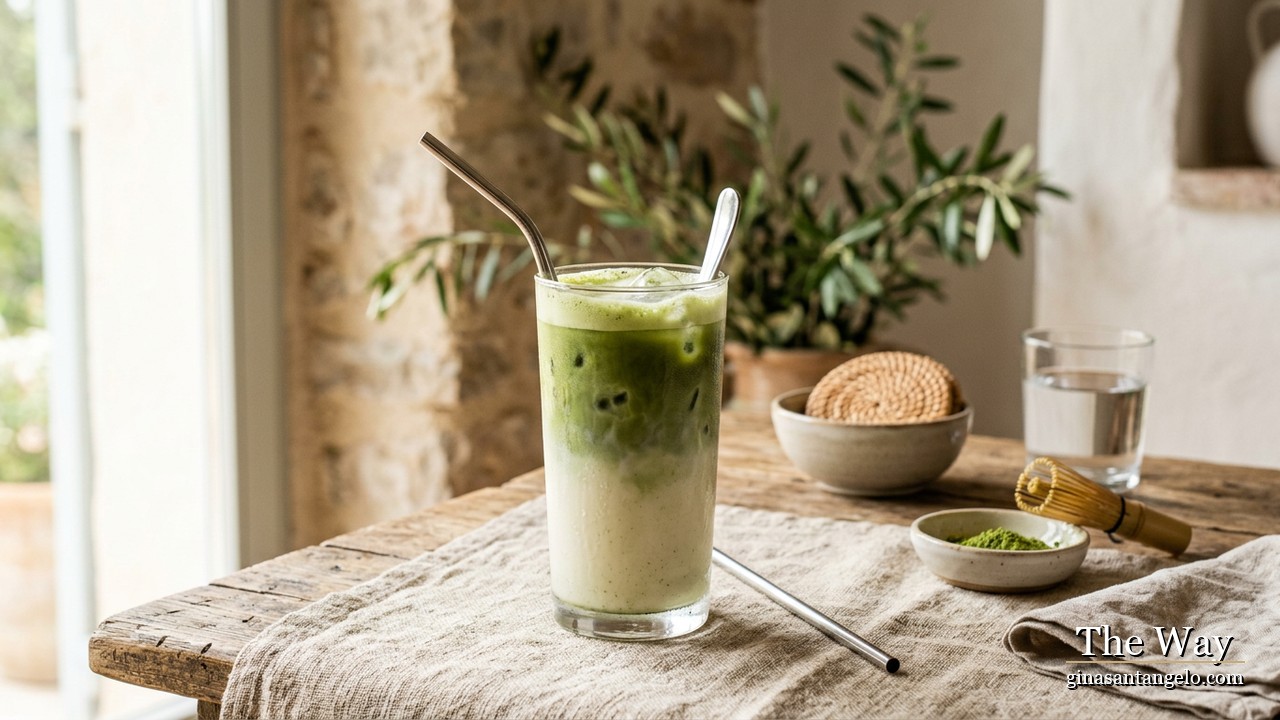
Matcha is a genuine superfood, but quality varies wildly, choose organic, lab-tested Japanese matcha to get the benefits without the heavy metals and contaminants.
Matcha has surged in popularity as a nutrient-dense alternative to coffee, offering a boost of antioxidants, sustained energy, and a calming effect thanks to its natural L-theanine content. But while matcha boasts an impressive array of benefits, concerns about lead contamination, processing, and quality control make it essential to choose the right one. Let’s look at the real benefits, and the potential risks, of matcha tea.
The benefits of matcha
Unlike regular green tea, matcha is made from whole tea leaves ground into powder, so you take in the entire leaf and all its nutrients. Here’s why it’s considered a superfood:
- High in antioxidants, matcha is loaded with catechins, particularly EGCG (epigallocatechin gallate), a potent antioxidant linked to reduced inflammation and lower cancer risk. (Kim et al. 2020)
- Sustained energy without jitters, the pairing of caffeine and L-theanine offers a balanced, calm alertness, without the crashes associated with coffee.
- Supports detoxification, matcha is rich in chlorophyll, which helps bind to toxins and supports the body’s natural detox pathways.
- Boosts brain function, studies suggest matcha may improve cognitive function, memory, and mental clarity, making it a popular choice for focus and productivity. (Dietz et al. 2017)
- Supports heart health, regular consumption of green tea and matcha is linked to lower LDL cholesterol and improved circulation. (Mancini et al. 2018)
The hidden risks: lead, pesticides, and other contaminants
For all its benefits, matcha’s processing, sourcing, and farming practices can introduce harmful contaminants.
- Lead contamination, tea plants absorb lead from soil and air pollution. Because matcha is made from whole leaves, any contaminants are fully ingested rather than steeped and discarded like regular green tea. Matcha from China tends to have higher lead levels, while Japanese matcha (Uji and Kagoshima regions) is safer.
- Pesticides in non-organic matcha, some conventional brands carry pesticide residues that can build up in the body over time. Choosing certified organic matcha minimizes exposure. (Matcha Wellness, 2023)
- Mycotoxins from mold growth, improper processing and storage can cause fungal contamination, creating mycotoxins linked to immune dysfunction and liver damage. Brands that test for mycotoxins offer safer products. (PMC, 2022)
- Heavy metals: cadmium and arsenic, besides lead, matcha can accumulate cadmium and arsenic from the soil, which pose risks to the nervous system, kidneys, and cardiovascular health.
- Fluoride buildup, older tea leaves hold higher fluoride levels, which can contribute to dental and skeletal fluorosis over time. Younger, first-harvest leaves have lower fluoride content. (Wikipedia, 2023)
How matcha is processed: ceremonial vs. culinary grade
Not all matcha is created equal, processing shapes both flavor and health value.
- Ceremonial grade, the highest quality, made from young leaves, vibrant green, and finely ground for a smooth, non-bitter taste. Best for drinking as a traditional tea.
- Culinary grade, slightly more bitter, made from older leaves, and often used for baking and lattes. May contain more stems and be lower in antioxidants.
- Avoid cheap, mass-produced matcha, some low-grade matcha contains fillers or artificial coloring to mimic high-quality powder. Always look for transparency in sourcing.
Best matcha brands for purity and quality
To be sure you’re getting pure, lead-free, high-quality matcha, look for brands that test for heavy metals and pesticides:
- Pique Sun Goddess Matcha, triple toxin-screened, organic, sourced from Japan.
- Encha Organic Matcha, first-harvest, ceremonial-grade, lab-tested for purity.
- Ippodo Matcha, a traditional Japanese brand, premium quality.
- Naoki Matcha, smooth, balanced ceremonial matcha with third-party testing.
- Matchaful, sustainable, single-origin matcha with rigorous quality control.
Alternatives to matcha for a gentle energy boost
If you love matcha but are wary of lead exposure or caffeine, here are some cleaner alternatives:
- Moringa tea, high in antioxidants and naturally caffeine-free, it supports energy and immune function.
- Tulsi (holy basil) tea, a powerful adaptogen that eases stress and sharpens mental clarity.
- Ginseng tea, a natural energy boost without the caffeine crash.
- Golden milk lattes, made with turmeric, cinnamon, and ginger, this anti-inflammatory drink brings warmth and balance.
- Herbal green tea blends, look for caffeine-free blends with nettle, dandelion, or mint for a refreshing, nutrient-rich option.
Final thoughts: choosing the right matcha
Matcha is an incredible superfood with powerful benefits, but not all matcha is safe. Heavy metals, pesticides, mycotoxins, and poor-quality processing can turn it from a health food into a hidden risk. By choosing organic, lab-tested Japanese matcha, you can enjoy the benefits without the downsides.
Quality matters more than trends, because what we put in our bodies matters. With matcha, one mindful choice gives you maximum benefit with minimal risk. Sip smart, choose wisely, and enjoy your matcha the right way.
When the mind needs somewhere to land
Everything in this wing points, in the end, to the same place, the breath, and the nervous system beneath it. It is why I built SOVA: a quiet companion for the moments in between.
- Today, a daily practice that aligns you before the day pulls you a dozen directions.
- Companion, a place to process any feeling, even the happy ones.
- Pages, a soft place to set your thoughts down and out of your head.
- The House, rooms of calm to step into, whenever you need one.