
Decaf Coffee: A Safe Alternative or a Chemical Trap?
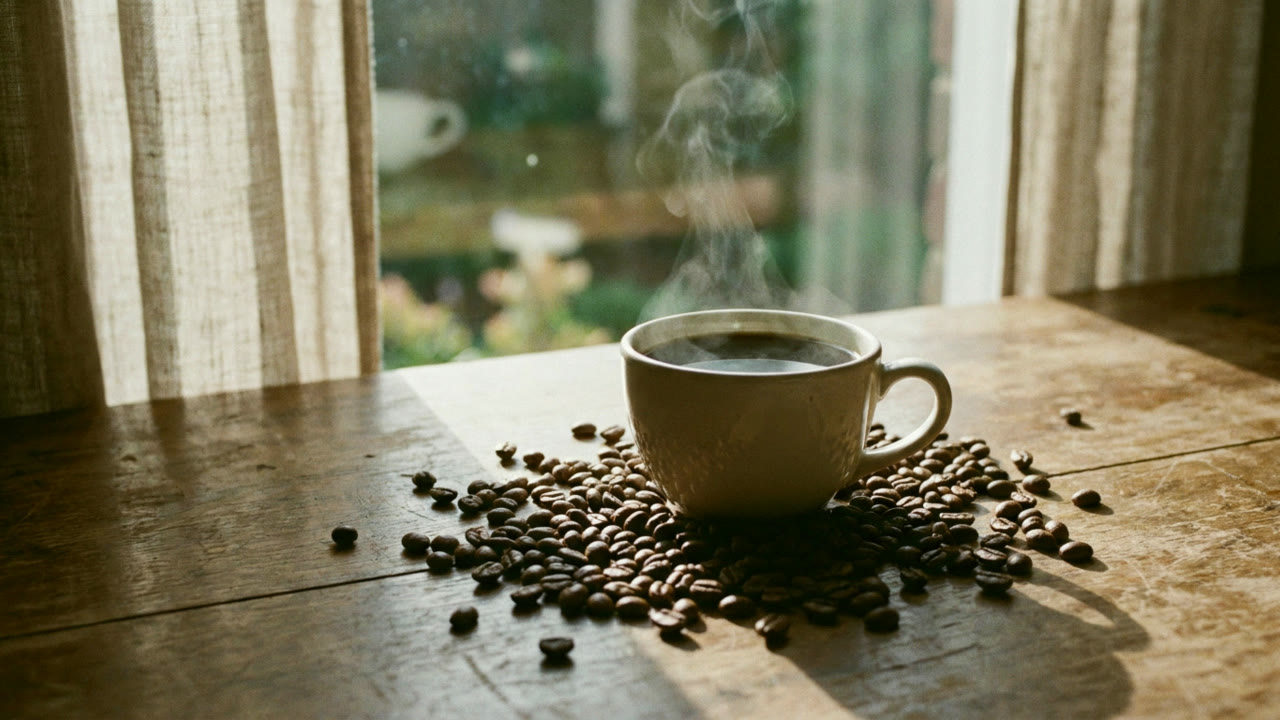
Many people turn to decaf coffee as a gentler alternative to regular coffee, avoiding caffeine while still enjoying the ritual of a warm cup. However,
Many people turn to decaf coffee as a gentler alternative to regular coffee, avoiding caffeine while still enjoying the ritual of a warm cup. However, not all decaf coffee is created equal. The process used to remove caffeine can introduce toxic chemicals, while mold contamination and over-roasting may pose additional health risks. Let’s break down what’s really in your decaf coffee and how to choose a cleaner option.
How Decaf Coffee Is Made: Water vs. Chemical Extraction
Not all decaffeination methods are safe. Some use chemical solvents that can leave harmful residues behind. Chemical Process (Methylene Chloride & Ethyl Acetate) – This is the cheapest and most common method, but it exposes beans to methylene chloride, a potential carcinogen also found in paint removers. Even at low levels, concerns exist about its long-term effects. ( FDA, 2023 )
- Swiss Water Process – Uses only water and temperature-controlled extraction to gently remove caffeine while preserving the bean’s natural antioxidants and oils . This method is 100% chemical-free .
- CO2 Process – Carbon dioxide is used under high pressure to extract caffeine without altering flavor or leaving chemical residues . It’s another safe, solvent-free method.
The Hidden Risk: Mold in Coffee Beans
Many decaf coffee beans are prone to mold contamination due to poor sourcing and storage.
- Mycotoxins – These toxins are produced by mold that grows on coffee beans, particularly in humid storage conditions. Long-term exposure to mycotoxins has been linked to immune dysfunction, inflammation, and gut issues . ( World Mycotoxin Journal, 2022 )
- How to Avoid Mold – Choose brands that test for mold and mycotoxins and source high-quality, single-origin beans .
The Problem with Over-Roasting
Many decaf coffee beans are over-roasted to compensate for lost flavor, but this comes with health risks. Acrylamide Exposure – Over-roasting increases the levels of acrylamide, a chemical linked to neurotoxicity and cancer . ( National Cancer Institute, 2021 )
- Bitterness & Oxidation – Overheated beans produce rancid oils, which increase free radicals and contribute to inflammation in the body .
- Best Practice – Choose a medium or light roast decaf to avoid excessive acrylamide formation.
Brands That Guarantee a Safer Cup
The best decaf coffee comes from companies that use natural extraction methods and test for mold. Here are some brands that prioritize quality: Purity Coffee Decaf – Swiss Water Process, mold-free, organic
- Kion Decaf Coffee – Tested for mycotoxins, sustainably sourced
- Lifeboost Decaf – Single-origin, low-acid, water-processed
- Volcanica Decaf Coffee – Swiss Water Process, shade-grown
- Cooper’s Cask Decaf – Swiss Water Process, roasted in small batches
Decaf Alternatives: Healthier Substitutes for Coffee Lovers
If you're looking for caffeine-free options beyond decaf coffee, consider these nutrient-rich alternatives : Mushroom Coffee Substitutes – Brands like Four Sigmatic and Ryze offer coffee alternatives made from adaptogenic mushrooms like chaga, lion’s mane, and reishi, known for their immune-boosting and cognitive benefits.
- Chicory Root Coffee – A caffeine-free alternative that mimics coffee’s deep, roasted flavor while supporting gut health and digestion . Brands like Teeccino offer chicory-based blends.
- Dandelion Root Coffee – Known for its liver-detoxifying properties, dandelion root coffee is another rich, bitter-tasting alternative to traditional coffee.
- Golden Milk Lattes – Made with turmeric, cinnamon, and ginger, this anti-inflammatory drink provides warmth and comfort without the caffeine.
- Carob-Based Drinks – Carob powder has a naturally sweet, roasted flavor similar to cocoa and is often blended into caffeine-free coffee alternatives.
Final Thoughts: A Smarter Choice for Decaf Drinkers
Not all decaf coffee is safe. Chemical decaffeination, mold exposure, and over-roasting can introduce harmful substances into your daily cup. By choosing water-processed, mold-free, and responsibly sourced decaf, or exploring mushroom and herbal coffee alternatives, you can enjoy coffee without compromising your health.
A small switch, to a cleaner water-processed decaf or a herbal alternative, costs you very little and removes something you did not need to be drinking. Those are the easiest changes to make and the ones most likely to last.
Your coffee ritual should nourish, not harm, choose wisely!
When the mind needs somewhere to land
Everything in this wing points, in the end, to the same place, the breath, and the nervous system beneath it. It is why I built SOVA: a quiet companion for the moments in between.
- Today, a daily practice that aligns you before the day pulls you a dozen directions.
- Companion, a place to process any feeling, even the happy ones.
- Pages, a soft place to set your thoughts down and out of your head.
- The House, rooms of calm to step into, whenever you need one.